What Education, International Living, and Organizational Learning Taught Me About Change
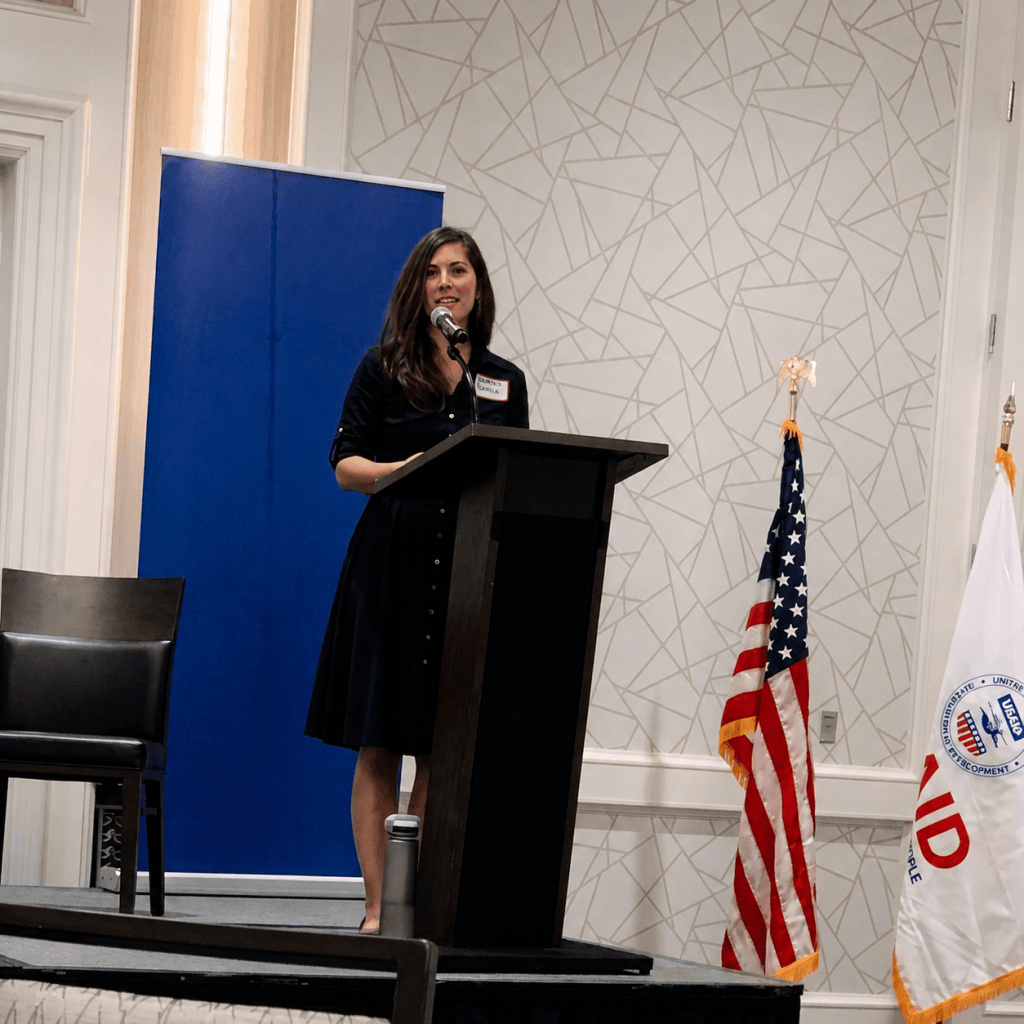
When people learn that I am a communication coach, they often assume my work is primarily about presentations, interviews, public speaking, or Business English.
Those are certainly parts of what I do, but throughout my work in education, training, and cross-cultural environments, I have observed that communication challenges rarely exist in isolation. They are often intertwined with how people learn, adapt, build confidence, navigate uncertainty, and make sense of new environments.
The experiences that shaped this perspective began long before I became a communication coach.
As a child of the U.S. Air Force, I grew up surrounded by people from different backgrounds, experiences, and perspectives. Some of my earliest memories include international travel, and my exposure to different cultures continued through the diverse schools, neighborhoods, and communities that shaped my understanding of the world. Early on, I learned that people can approach the same situation in very different ways, and that understanding those differences requires curiosity, observation, and respect.
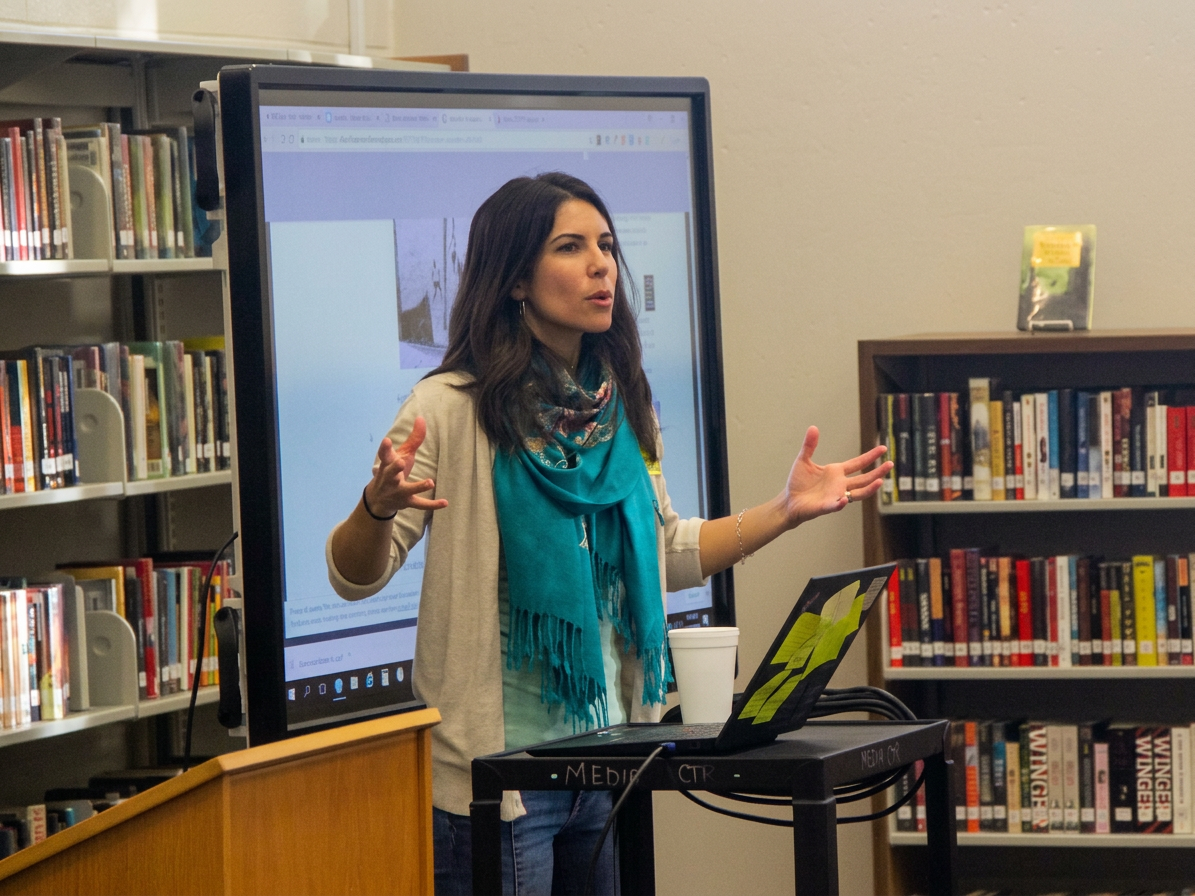
That curiosity stayed with me as I became an educator. Much of my work involved supporting multilingual learners from around the world. My classroom was not only a place for academic learning, but also intentionally a space where students could feel understood, accepted, and safe enough to take risks. Watching students bravely navigate new languages, cultures, and educational systems reinforced what I already suspected: growth happens when people feel seen, supported, and challenged in the right ways.
Teaching also reinforced the idea that learning is rarely a straight line. Progress often includes mistakes, setbacks, and moments of uncertainty. For that reason, I know that people need both encouragement and practical strategies to feel motivated to keep moving forward.
These human-centered philosophies continue to influence my coaching approach today.
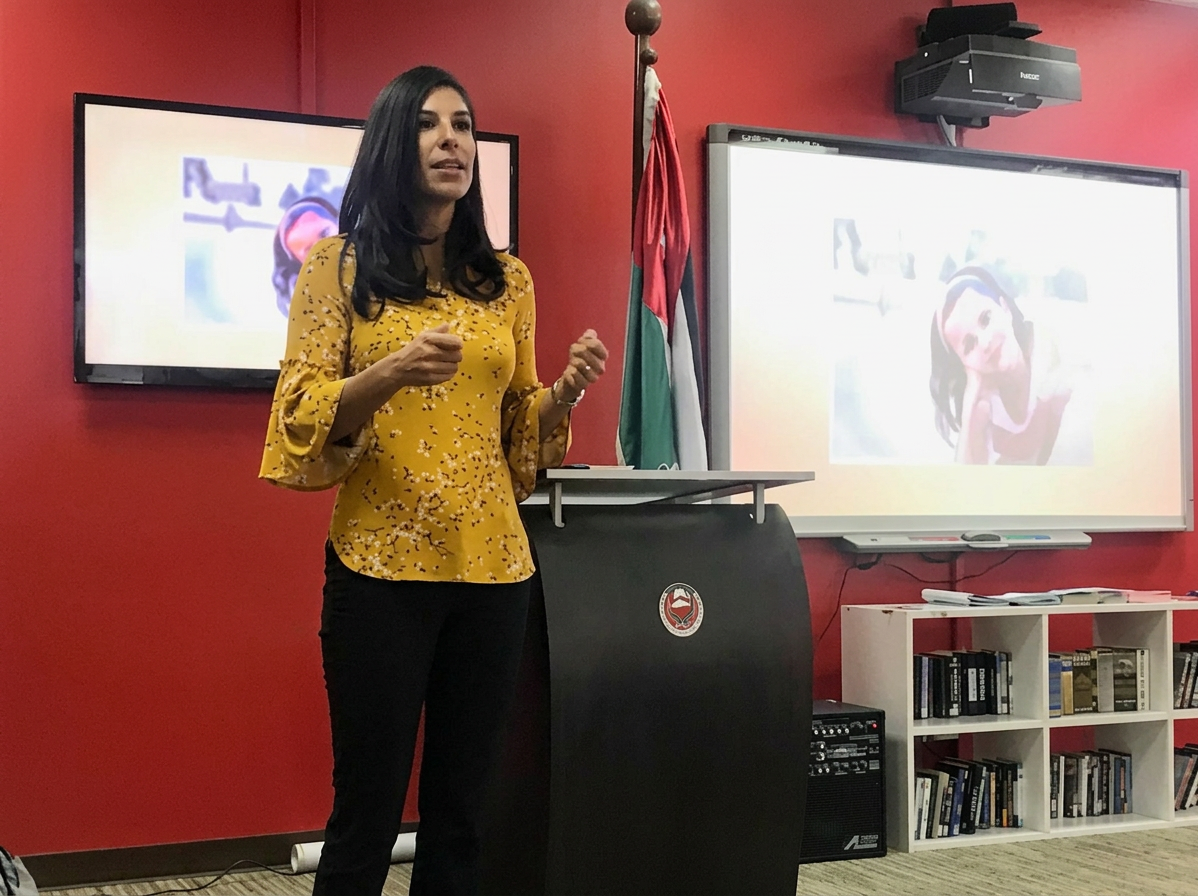
Later, living abroad as part of a U.S. diplomatic family and working as an organizational trainer for the U.S. diplomatic corps expanded and deepened these experiences. Immersion in different cultures, languages, and social norms provided countless opportunities to learn from people whose perspectives, customs, and ways of communicating differed from my own. At the same time, those experiences strengthened my interest in how adults learn, adapt, and develop competence in unfamiliar environments.
I came to appreciate that, beyond vocabulary and grammar, communication is about listening before speaking and observing before assuming. It is about recognizing that meaning is shaped by context. I also noticed that what feels direct and respectful in one culture may feel abrupt or even inappropriate in another!
Effective communication requires not only language skills, but also awareness, adaptability, and a willingness to learn.

As my career continued, I was a Senior Training Advisor supporting the U.S. federal workforce. Much of my work focused on professional communication, including communication strategies, respectful workplace communication, and diplomatic language.
The experience reinforced what I had observed throughout my life and career: communication is rarely as straightforward as we would like it to be. Human communication is shaped by culture, relationships, expectations, experiences, and context. As a result, even the most capable teams and individuals can find themselves struggling to move forward when communication breaks down.
What struck me most was that these challenges often surfaced during periods of change. New roles, organizational transitions, evolving responsibilities, and interpersonal dynamics frequently introduced communication challenges that technical expertise alone could not solve.
Again and again, I saw that effective communication was not simply about choosing the right words. It was about helping people navigate uncertainty, build understanding, and move forward together.
This chapter of my career reinforced what I had been learning all along: communication is the mechanism through which people navigate change.
Whether someone was stepping into a leadership role, adapting to a new team, learning a new technology, or responding to organizational change, effective communication often determined how successfully they navigated the transition.

Working with my communication coaching clients these days, I have noticed that the challenges people face are still rarely isolated to a particular aspect of language, workplace, or profession. Similar patterns emerge regardless of language ability, industry, role, or level of experience:
A new role requires a new vocabulary.
A new culture requires new awareness.
A promotion requires a new way of communicating with others.
A career transition often requires people to rethink how they describe their experience, expertise, and value.
In each of these situations, the underlying challenge is not simply acquiring new knowledge. It is learning how to communicate within a new context while maintaining a sense of confidence and credibility.
In many cases, talented professionals already possess the technical expertise needed to take the next step. What they often need is support in communicating that expertise in ways that others can recognize, understand, and value. This challenge sits at the heart of much of my coaching work today.
This is why communication remains such meaningful work for me. Behind every interview, presentation, workplace conversation, or Business English lesson is a person navigating growth, change, and opportunity. My role is simply to help them communicate who they are and what they know with confidence, clarity, and credibility.
Ultimately, communication is how we learn, adapt, connect, and grow.


Leave a Reply