Here’s what I’ve been noticing…
We have more ways to communicate than ever before, yet research suggests we’re actually speaking less.
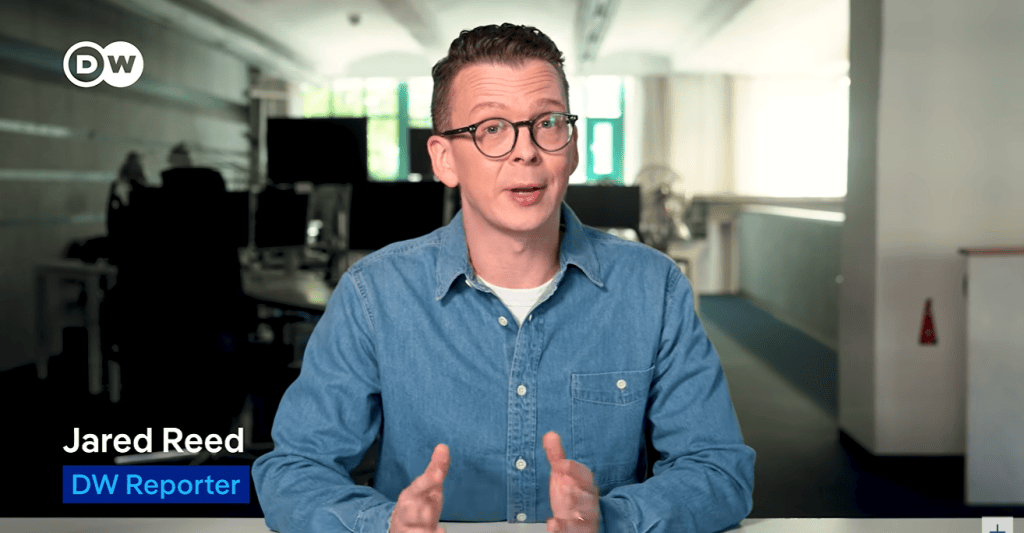
In recent piece titled “People are getting quieter and scientists are concerned,” by DW News, the reporter opens with a question that has stayed with me:
“What happens when a society stops talking? Not all at once, but a little bit each year.”
The report highlights research estimating that between 2005 and 2019, the number of words people spoke each day declined by 28%, with an average decrease of approximately 338 daily spoken words for each successive year in the study period.
Twenty-eight percent!
Think about the conversations those words might represent: a chat with a neighbor, a story shared over dinner, or an unexpected exchange with a stranger.
The report raises concerns about what this decline could mean for our relationships and communities.
As a communication coach, however, I found myself wondering about another consequence:
What happens to our ability to express ourselves, ask thoughtful questions, and develop our ideas when we have fewer opportunities to practice?
Language is more than a means of exchanging information. It’s part of how we understand ourselves, connect with others, and make sense of the world.
And the more I think about those disappearing conversations, the more I think about what they give us.
What We Learn From One Another
Think about the last time someone used a word or expression that caught your attention.
Recently, someone I was speaking with described a scene from a film as enthralling. I found myself thinking about that word long after our conversation ended.
Why enthralling, rather than interesting or memorable? What was it about the scene that had captured their attention so completely?
I love those moments.
Sometimes I’ll turn a phrase over in my mind, considering its meaning, its rhythm, or why it seemed so effective. I might decide I don’t particularly like it. Other times, I’ll find myself incorporating it into my own vocabulary.
This is one of the quiet pleasures of conversation: we learn language from one another.
And we learn new ways of thinking.

In her TED Talk, How Language Shapes the Way We Think, researcher Lera Boroditsky explores how speakers of different languages understand concepts such as time. Her examples remind us that language doesn’t simply give us words for our thoughts. It can influence how we organize those thoughts in the first place.
Imagine what we might discover if we approached conversations with that kind of curiosity.
We might encounter an unfamiliar expression, question an assumption, or discover that someone understands a familiar idea quite differently than we do.
Conversation gives us opportunities to test our understanding and, sometimes, to change it.
The Conversations That Change Us
Not every meaningful conversation begins with a profound question.
Sometimes it’s a funny story shared over dinner, an unexpected observation from a colleague, or a spirited disagreement with a friend. Sometimes a conversation begins in one place and wanders somewhere entirely different.
But these exchanges ask something of us.
We have to find the words to express our thoughts. We have to listen, ask questions, explain our reasoning, and occasionally admit that we don’t understand.
And sometimes we have to be willing to change our minds.
Conversation isn’t simply an opportunity to demonstrate what we know. It’s an opportunity to discover what and how we think.
When I lived in Arlington, Virginia, I had a wonderful chiropractor whose motto was, “To be able to do the thing, you have to keep doing the thing.”
She was talking about maintaining the strength and mobility I needed for challenging hikes. I couldn’t spend all my time sitting at a desk and expect to climb mountains without difficulty.
The same is true of communication.
If we want to express ourselves clearly, we need opportunities to put our thoughts into words. If we want to ask better questions, we need to practice asking them. And if we want to become more comfortable expressing an opinion, especially when someone disagrees, we need opportunities to do that, too.
This is one reason conversation plays such an important role in my coaching sessions.
We don’t simply study vocabulary or discuss communication strategies. We put them to work. I encourage clients to experiment with unfamiliar expressions, explain their reasoning, ask follow-up questions, and try again when the words don’t quite capture what they mean.
Sometimes our conversations are challenging. Sometimes they’re wonderfully silly. We laugh, disagree, and occasionally wander into subjects neither of us expected to explore.
All of it gives us practice finding our voices.
I don’t believe communication coaching should replace the spontaneous conversations we have with friends, family, colleagues, and strangers. Quite the opposite. I want my clients to leave our sessions better equipped, and more eager, to participate in those conversations.
Because if we’re gradually losing opportunities to talk, I think we should become more intentional about creating them.
Language is a remarkable human inheritance, one that has evolved through countless generations of conversation.
Let’s keep it going.


Leave a Reply